Can Lightning Arresters Protect My Medium Voltage Equipment?
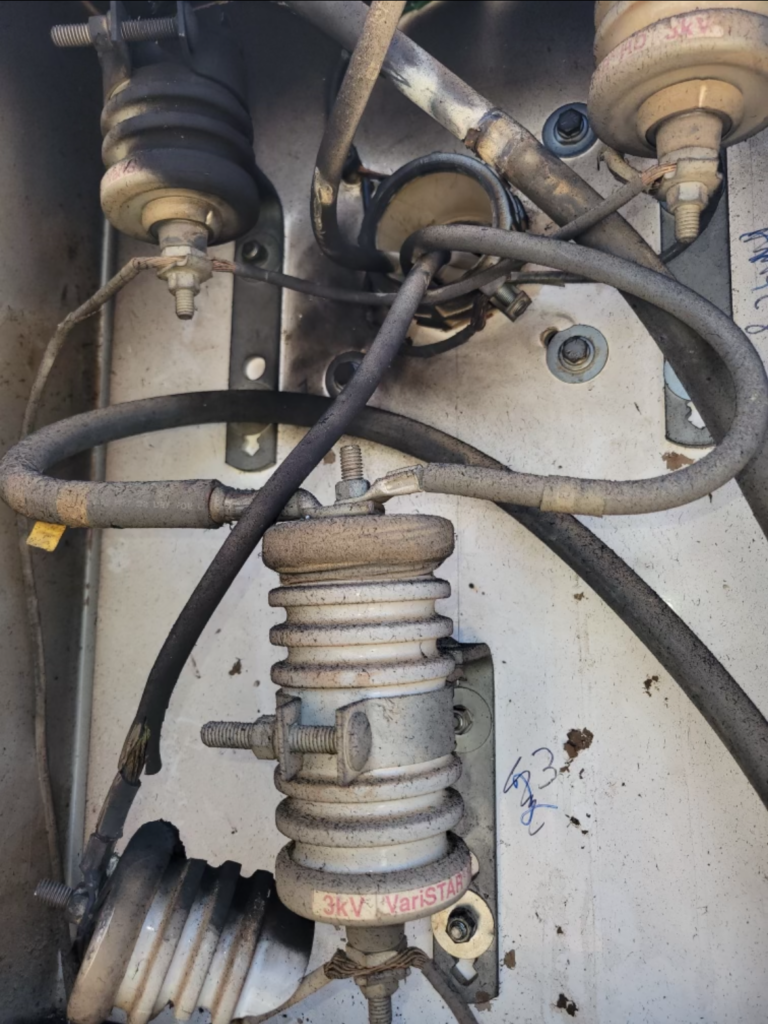
No, lightning arresters are not sufficient for medium-voltage equipment protection.
They’re built to handle high-energy lightning surges and protect rugged utility equipment like transformers. But the threats that actually damage your equipment—repetitive transient voltage generated inside your facility—are a different problem entirely.
Surge Protection Industry Terminology Explained

SPD. TVSS. I(n). kA. MCOV. VPR. SCCR. The surge protection industry is a virtual swamp of alphabet soup.
Most SPD specifications describe device capability under controlled conditions. Very few describe system behavior. Effective surge protection is determined by how the device interacts with the electrical system, not how it performs in isolation.
Below we’ve compiled the definitions to these (and more) to help electricians, maintenance personnel, and engineers wade through industry jargon.
Why Choose Maxivolt As Your Surge Protector Manufacturer
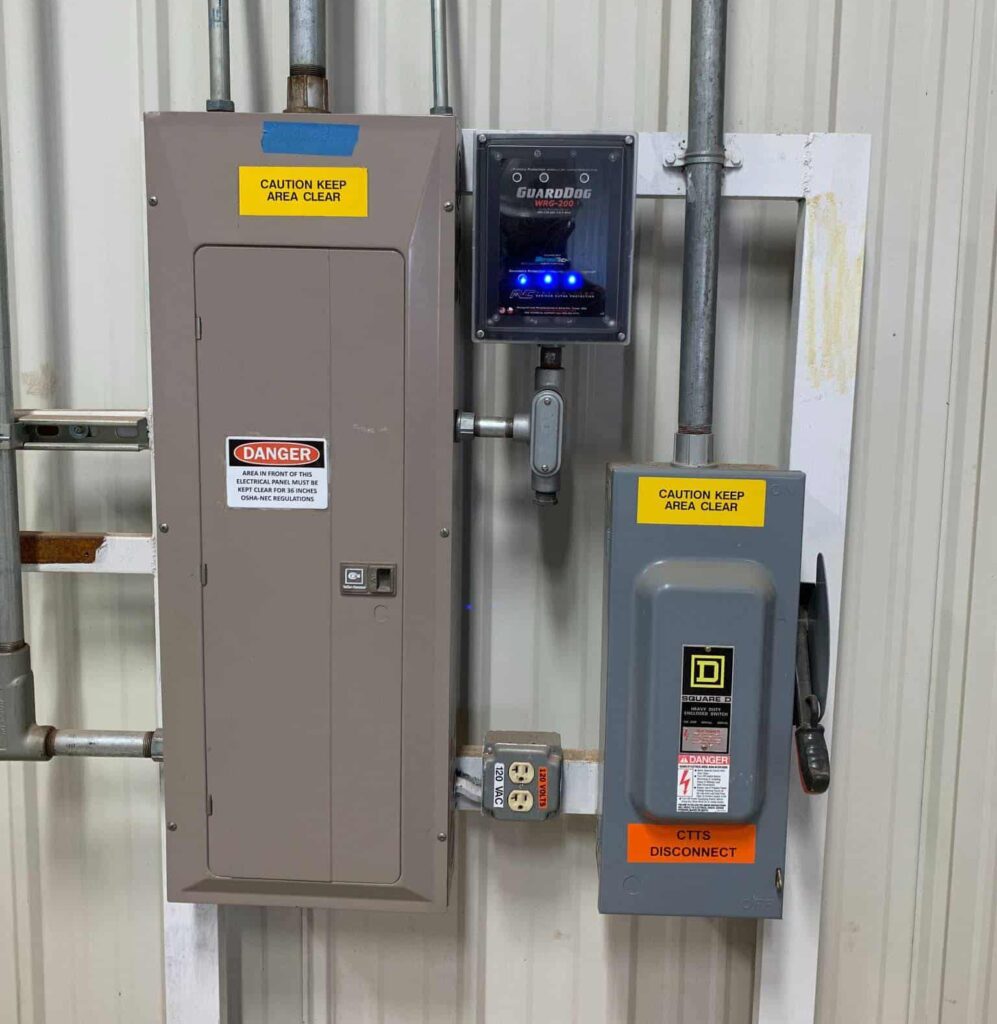
Maxivolt is an American surge protector manufacturer that produces custom and standard industrial and commercial solutions to protect against transient voltage.
Why Power Outages Cause Equipment Failure

Power outages don’t just interrupt operations — they can trigger transient overvoltage events that damage and/or destroy equipment, and cause equipment malfunctions. Understanding why this happens and how to prevent it is critical for reliability, uptime, and safeguarding sensitive assets.
Transient Voltage Threatens EV Charger Reliability

Transient voltage events—short, high-voltage spikes—pose a serious threat to EV charging systems. Left unaddressed, these disturbances can degrade, disrupt, or even destroy sensitive components in both chargers and connected vehicles.
Diagnosing “Ghost Faults”

Ghost faults—also sometimes called phantom or elusive faults—are intermittent electrical anomalies that cause unexpected and unwanted behavior in equipment (e.g. nuisance trips, resets, flickers).
3 Must-Haves for Power Quality

Protect equipment and reduce downtime with three power quality essentials: transient voltage mitigation, harmonic control, and proper grounding. Learn how a layered approach improves reliability, efficiency, and asset life.
Transformers Do Not Stop Transient Voltage
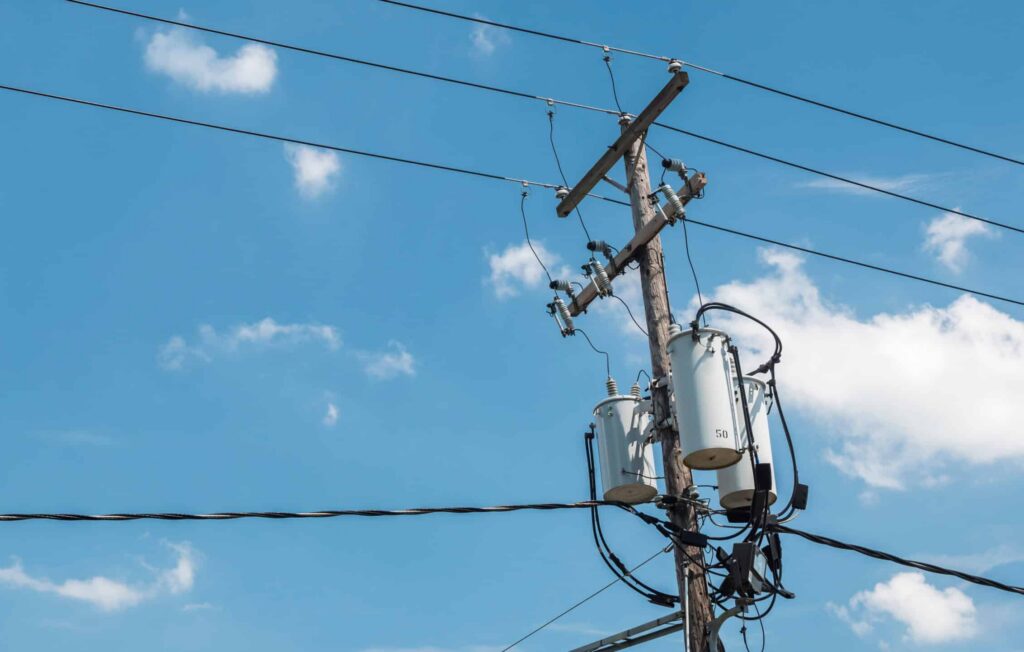
Transformers are a staple in electrical systems, stepping voltage up or down as needed. But when it comes to one of the most prevalent power quality threats—transient overvoltage—transformers fall short. Here’s why that matters more than one might think.
Common Pump-Off Controller Failure Modes and Their Fixes

Like all automation technologies, POCs are not without their challenges. Despite their advanced capabilities, they can become sources of inefficiency or downtime if not properly configured, hardened, and maintained. Understanding the common failure modes associated with POCs is essential for technicians tasked with ensuring reliable and optimized pump operation.
How Transient Voltage Affects Microprocessor Logic
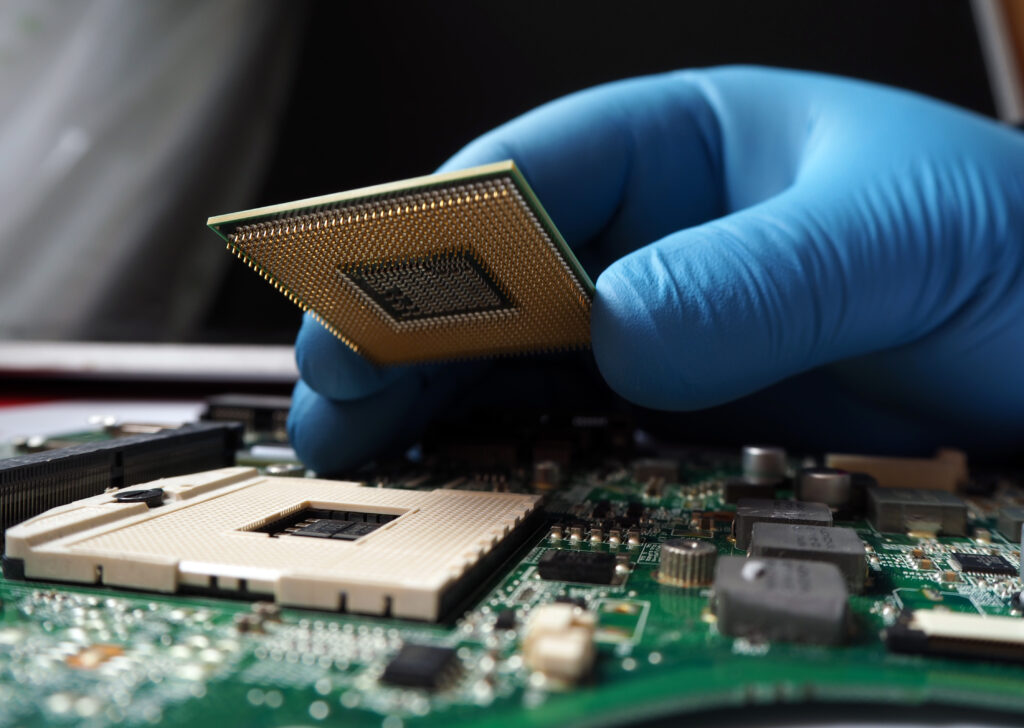
Transient overvoltage events—such as lightning, switching surges, or electrostatic discharge (ESD)—introduce brief but disruptive voltage spikes into microprocessors. These transient overvoltages induce logic faults that manifest as unexpected malfunctions or system errors.
