Surge Protection Industry Terminology Explained

SPD. TVSS. I(n). kA. MCOV. VPR. SCCR. The surge protection industry is a virtual swamp of alphabet soup.
Most SPD specifications describe device capability under controlled conditions. Very few describe system behavior. Effective surge protection is determined by how the device interacts with the electrical system, not how it performs in isolation.
Below we’ve compiled the definitions to these (and more) to help electricians, maintenance personnel, and engineers wade through industry jargon.
Why Choose Maxivolt As Your Surge Protector Manufacturer
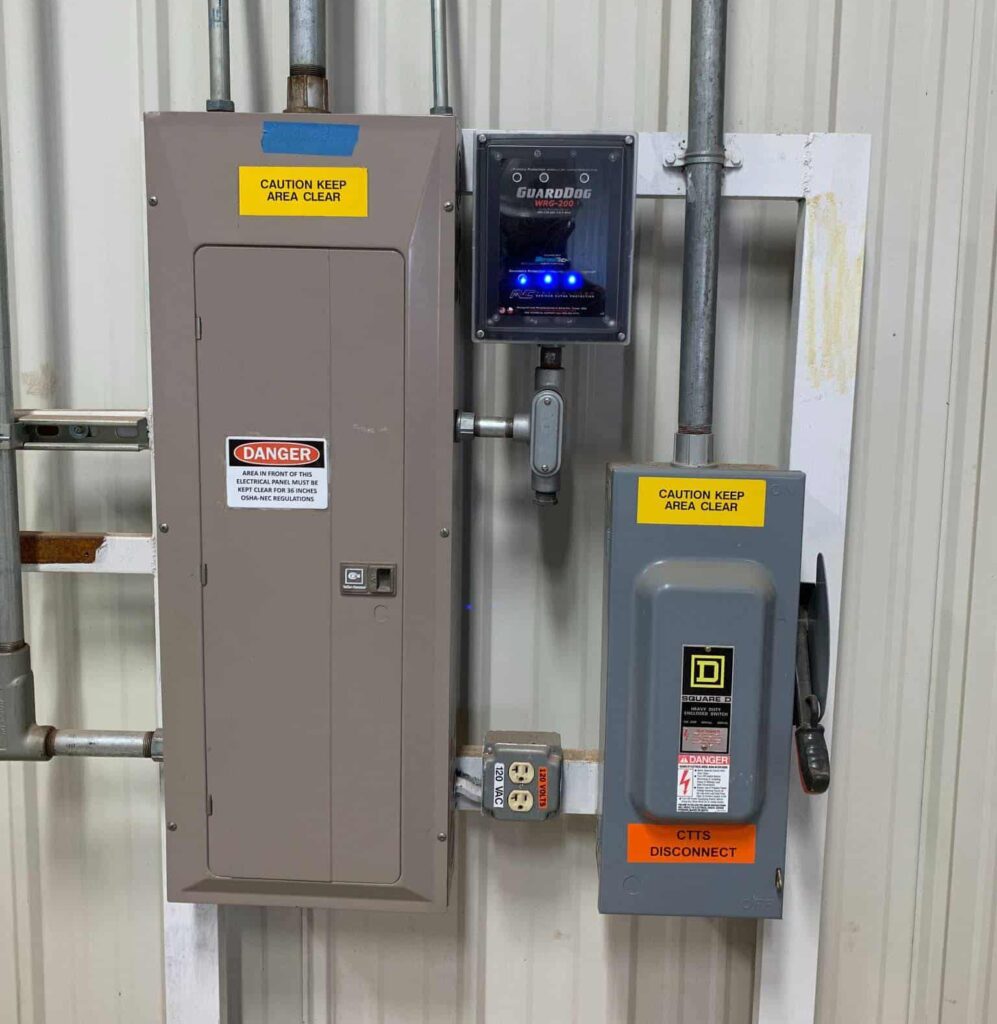
Maxivolt is an American surge protector manufacturer that produces custom and standard industrial and commercial solutions to protect against transient voltage.
Concerns with Common Mode SPD Application

Designers and end users should be aware of potential performance and safety issues associated with common mode SPD installations before putting them into use.
Integrated vs. Externally Mounted Surge Protective Devices

Traditionally, TVSS (often referred to as surge protective devices – SPD for short) have been applied to electrical distribution systems in an aftermarket fashion. However, distribution equipment manufacturers have since integrated surge protection into their products, in some ways to the disadvantage of the end user.
Common Misconceptions About SPDs Nominal Discharge Current Ratings: Part Two

ANSI/UL 1449 represents a widely recognized standard delineating requirements for Surge Protective Devices (SPDs) deployed in electrical applications. This benchmark standard plays a significant role in the testing and certification of SPDs. Nonetheless, there exists an imperative need to revise the existing standard to better align with an expanding knowledge base of the surge environment and evolving technologies.
Common Misconceptions About SPDs Nominal Discharge Current Ratings: Part One

For public safety, it is imperative to conduct a diligent assessment of misconceptions that exist in the current zeitgeist of surge protective devices.
